
What is a Connected Device?
Posted by Amy Tadeo on 4th Feb 2026
As digital technology continues to advance, the term connected device has become increasingly common across both consumer and industrial sectors. From smart home products to sophisticated safety equipment, connected devices are now integral to modern operations. Understanding what a connected device is - and why it matters - is essential for organisations seeking to improve efficiency, safety and decision-making.
In simple terms, a connected device is a piece of equipment that can communicate digitally with other devices, systems or cloud-based platforms via a network. This connectivity enables the device to transmit data, receive updates, and often be monitored or controlled remotely. Connected devices form the backbone of what is widely referred to as the Internet of Things (IoT).
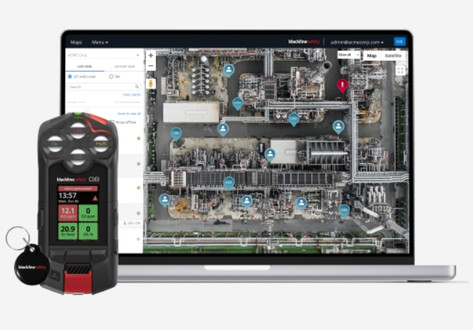
A connected gas detector doesn’t just alarm on the device- it shares data to help teams respond faster and manage safety more effectively.
How Connected Devices Function
A connected device typically combines three core components: sensors, software, and connectivity. Sensors collect data from the surrounding environment - such as temperature, gas concentration or motion - while embedded software processes this information. Connectivity technologies, such as Wi-Fi, Bluetooth or cellular networks, allow the data to be transmitted to other systems.
Unlike traditional standalone equipment, connected devices do not operate in isolation. They are designed to integrate into wider digital ecosystems, enabling real-time visibility and automated responses. Data collected by connected devices is often sent to cloud platforms, where it can be analysed, logged for compliance purposes, or used to trigger alerts and actions.
What does connectivity enable?
Specifically, connectivity enables:
- Real-time data visibility, ensuring conditions, readings and system status can be monitored as they occur
- Remote monitoring and control, reducing the need for physical site visits and manual inspections
- Immediate alerts and notifications, allowing faster response to incidents and emerging risks
- Centralised data collection and reporting, supporting compliance, audits and long-term trend analysis
- Proactive risk management, by identifying patterns and potential issues before they escalate
- Improved operational efficiency, through reduced downtime, streamlined maintenance and automated processes
- Enhanced worker protection, particularly for lone or remote workers, through continuous oversight and escalation capabilities
In essence, connectivity enables organisations to act with greater speed, insight and confidence, turning data into actionable intelligence and strengthening both safety performance and operational control.
Connected Devices in Gas Detection and Safety
Within hazardous environments, connected devices are transforming how organisations approach safety management. Gas detection equipment is a clear example of how connectivity adds significant value beyond basic monitoring.
Connected Area Gas Monitors
Connected area gas monitors, such as the Blackline G7 EXO Area Monitor, continuously measure gas levels in a defined space and transmit readings in real time via cellular networks. Rather than relying solely on local alarms, these devices send live data to cloud-based dashboards, enabling safety managers to assess conditions remotely and respond immediately to potential hazards.
This level of connectivity is particularly beneficial on large or remote sites, where constant physical supervision may not be practical. Real-time data allows for faster decision-making and improved coordination during emergency situations.
Connected Personal Gas Detectors
Personal gas detectors have also evolved significantly. Devices such as the Blackline G7c Multi Gas Monitor combine traditional gas detection with integrated connectivity. In addition to monitoring multiple gases simultaneously, the device transmits alarm events, exposure data and location information to centralised systems.
Similarly, single-gas detectors like the Blackline G6 provide individual worker protection while also supporting remote oversight. Should an alarm be triggered, supervisors can be notified instantly, ensuring that lone workers or teams operating in high-risk environments receive prompt assistance.
Bluetooth-Enabled Industrial Sensors
Connectivity does not always require continuous internet access. Bluetooth-enabled devices, such as the Sensepoint XRL industrial gas transmitter, allow engineers to interact with equipment using mobile devices. Configuration, maintenance checks and data retrieval can be carried out via smartphone applications, reducing the need for manual paperwork and minimising time spent in hazardous areas.
The Benefits of Connected Devices
The adoption of connected devices delivers a range of tangible benefits across industries:
- Improved safety: Real-time monitoring and automated alerts help identify risks before they escalate.
- Operational efficiency: Remote access reduces site visits, streamlines maintenance and minimises downtime.
- Data-driven insight: Continuous data collection supports trend analysis, compliance reporting and informed decision-making.
- Greater accountability: Centralised visibility ensures that equipment performance and safety procedures can be consistently monitored.
For organisations operating in regulated or hazardous environments, these advantages are particularly significant.
Conclusion
A connected device is more than simply a piece of modern technology. It is a tool that enables communication, visibility and control in ways that traditional equipment cannot. By connecting physical devices to digital systems, organisations gain access to real-time information that enhances safety, efficiency and compliance.
From smart home appliances to advanced gas detection systems, connected devices are reshaping how we interact with technology. In safety-critical applications, such as gas monitoring, connectivity is not merely an enhancement - it is a vital component of effective risk management in today’s increasingly data-driven world.