
The Importance of Bump Testing
4th May 2023
Safety is and always will be an ongoing effort.
You may have purchased an array of equipment to ensure your workforce is safe at all times, but that doesn’t mean the job is done. You need to monitor your equipment and ensure it’s functioning properly, so your staff aren’t left in the lurch when out on a job.
When it comes to gas detectors, that means performing bump tests.
What is a bump test?
A bump test is the act of exposing your gas sensors to a controlled concentration of gas in order to set the sensor’s alarm off. If your device is functioning properly, then the alarm will go off and you can have some peace of mind that your equipment is still working properly.
However, if it doesn’t, then obviously something is wrong with your gas detector, and you’ll have to get it calibrated, repaired or replaced before sending your staff out into the field with it.
Why you should bump test frequently
When working in industries where gas detectors are necessary, there are a lot of external factors that can cause a detector to lose its efficiency.
These devices are used in harsh environments, where it’s likely to come into contact with extreme temperatures, moisture, grit, dust and various other substances. Such things can block sensors and clog filters, while accidental drops and knocks can dislodge the sensor, further limiting its effectiveness.
Making sure your device is still in good condition before starting the next job is a very important step to ensuring you and your team is working safely.
And when it only takes around 20-30 seconds to do, there’s no excuse not to!
How to perform a bump test
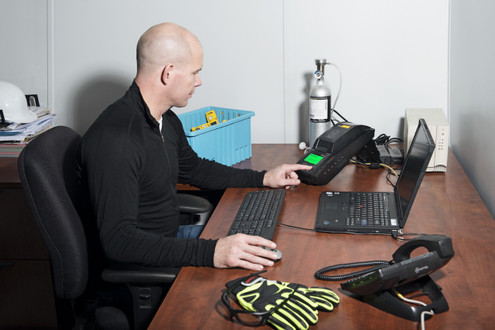
The easiest way to perform a bump test is by using a bump test (or docking) station. These work by drawing gas through its connected cylinder and directing that gas directly to the docked detector.
Alongside testing the sensors, these stations will also charge and calibrate your devices, among other bits of maintenance work, making them a one-stop shop for gas detector effectiveness.
Whether doing a bump test manually or with a docking station, you should really be bump testing your equipment every day, if not before every use, to make sure it’s always working properly.
After all, going about your work day with a faulty detector can lead to dire consequences for you, your workers and your business as a whole.
Point Safety has a number of docking stations that can help make your workflow more efficient and keep your detectors in good condition. To find out more about what solution is best for you, get in touch with our friendly, expert team today.