
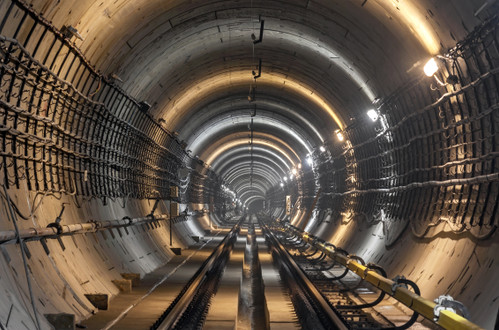
The Dangers of Confined Space Entry
Posted by Declan Constable on 28th Nov 2023
The Dangers of Confined Space Entry
When it comes to working in confined spaces, there are a variety of risks that you must be aware of.
Confined spaces are spaces that pose a reasonable risk to workers due to an enclosed atmosphere and lack of ventilation. Not taking the required safety precautions increases the risk of harm or death from the substances or conditions inside these areas.
What are the dangers of confined space entry?
First and foremost, when discussing gas, confined spaces are dangerous because they have the potential to be filled with toxic gases. As well as being dangerous in and of itself, they also make it harder to navigate your way out of such a space if you encounter any other dangerous elements.
Loss of Consciousness and Asphyxiation
Confined spaces can often lack a safe amount of oxygen, due to displacement by other gases as biological processes and chemical reactions let out gas. This means unprotected workers may find it hard to breathe, which could quickly result in losing consciousness or even death by asphyxiation.
Dangerous gases and poisonous fumes can also enter confined spaces through burst pipes, contaminated areas or even the fumes that are expelled from a workman’s tools and equipment (ie. paint fumes).
Fires and Explosions
As a result of gas displacement caused by biological and chemical activities, confined areas can frequently have an unsafe level of oxygen. Workers without protective gear run the risk of difficulty breathing, which can lead to unconsciousness or death from asphyxiation in a short amount of time.
Burst pipes, polluted surroundings, or even the fumes released by a worker's tools and equipment (such paint fumes) can all lead to the entry of toxic gases and vapours into confined spaces.
What to do when Working in Confined Spaces
HSE Confined Space Regulations dictate several rules that should be followed when working in confined spaces.
-avoid entry to confined spaces, e.g. by doing the work from the outside;
-if entry to a confined space is unavoidable, follow a safe system of work; and
-put in place adequate emergency arrangements before the work start
One way to prepare for confined space entry, in particular the dangerous gases and gas-emitting substances within, is to use a pumped detector.
When entering a confined space, extending the sample line of a pumped detector out in front of you can help you remain conscious of what gas types and levels you’re moving towards. Having a diffusion monitor to hand when you’re in a confined space can also be useful, as it allows you to check for any variations in gas levels.
If you frequently work in confined spaces, and would like to talk about safety solutions that will suit you, get in touch with Point Safety. Our experts have decades of experience providing gas safety solutions and can use their unmatched knowledge to guide you to the device that’s right for you.