
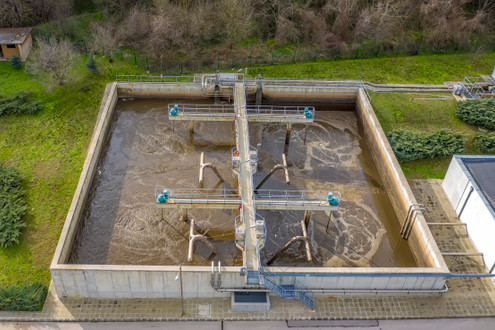
How to Stay Protected When Working With Wastewater
Posted by Declan Constable on 9th Feb 2024
Wastewater is a necessary part of our daily lives, it is the water that ends up down the drain when you wash your hands, use the toilet or anything else that revolves around pouring water down the drain.
For many of us, we flush the water down and completely forget about it, the job is done and it becomes an afterthought, after all, it’s not our job to worry about these things right?
However, wastewater is an entire industry in itself, with many risks, hazards and problems that can come with the water that ends up in our sewers and drains.
What exactly is Wastewater?
Specifically, wastewater is the used water that goes down drains and toilets in homes, businesses, and industries.
It contains various contaminants such as organic matter, pathogens, chemicals, and pollutants. Managing wastewater involves collecting, treating, and disposing of it in an environmentally responsible manner to prevent pollution and protect public health and the environment.
Before treated water is released back into the environment or used again, pollutants are usually removed using physical, chemical, and biological processes.
Ecosystem preservation, economic activity, public health, and sustainable development all depend on effective wastewater management. Collaboration across a range of stakeholders, including governmental organisations, water utilities, businesses, and the community, is necessary for the efficient management of these resources.
How does it affect me?
Ineffective wastewater management can have many effects on the general public, the entire reason why we practise proper wastewater treatment is to ensure that the public's health is safeguarded. If this water isn’t treated properly it can spread diseases and contaminate drinking water sources.
This can also have an impact on our quality of life, a lack of clean water and sanitisation can lead to issues with drinking, cooking, bathing and our agriculture.
What are the dangers of working with wastewater?
Working with wastewater is incredibly dangerous, there are many pollutants, toxic gases and chemicals involved that can severely damage a workers health and could even be fatal in toxic doses.
At Point Safety, we are experts in the gas detection side of wastewater, working with clients and customers to create safe working environments for their staff, this includes protecting them against the relevant gases that they may be exposed to.
Here are a number of gases that are associated with wastewater:
Hydrogen Sulphide (H2S)
Hydrogen sulphide is a highly toxic gas produced during the decomposition of organic matter in wastewater. It is colourless, flammable, and has a characteristic rotten egg odour at low concentrations (although at higher concentrations, it can quickly overwhelm the sense of smell). Inhalation of even low concentrations of hydrogen sulphide can cause respiratory irritation, headaches, dizziness, nausea, and in severe cases, loss of consciousness, respiratory failure, and death.
Methane (CH4)
Methane is a flammable and potentially explosive gas that can accumulate in wastewater treatment facilities, particularly in anaerobic environments where organic matter is decomposing. In addition to the risk of explosions, methane can displace oxygen in confined spaces, leading to asphyxiation if present in high concentrations.
Carbon Dioxide (CO2)
Carbon dioxide can be generated during the decomposition of organic matter in wastewater and may accumulate in confined spaces, displacing oxygen and leading to asphyxiation if levels become too high.
Ammonia (NH3)
Ammonia is a common constituent of wastewater, particularly in effluent from sewage treatment plants. Exposure to high concentrations of ammonia gas can irritate the eyes, nose, throat, and respiratory system, causing coughing, wheezing, and difficulty breathing.
Other Toxic Gases
Wastewater may also contain other gases such as volatile organic compounds (VOCs), chlorine (used in disinfection processes), and various chemical by-products. Inhalation of these gases can cause respiratory irritation, chemical burns, systemic toxicity, and other adverse health effects depending on the specific compound and concentration involved.
How to stay protected when working with wastewater?
Staying protected against these gases is undeniably important for the safety and wellness of staff, protecting them against harm which inevitably ensures the health of the general public.
Training and awareness
It’s incredibly important to provide relevant training and awareness to staff, showing them the correct protocols to follow when toxic gases have been identified, and also the symptoms they may suffer if they are exposed.
If an emergency was to occur, all staff should be able to evacuate the area and do so in a safe and timely manner.
Gas detection
Gas detection equipment is going to be the thing that saves lives in an incident where the gas levels are rising. These devices can detect variances in the gas in the area, and raise an alarm if they are rising, or depleting, to dangerous levels.
Gas detectors frequently have multiple ways of alerting to danger, utilising multiple senses. All gas detectors use touch, sight, and hearing to raise an alarm by vibrating, making a loud noise, and flashing lights, which is critical for those working in loud, bright, or busy environments.
Confined Space Entry Procedures
If working in confined spaces where gases can accumulate, follow strict confined space entry procedures, including proper ventilation, atmospheric testing, and the use of entry permits. Ensure adequate ventilation is provided to prevent the build up of hazardous gases and maintain oxygen levels within safe limits.
Fall Arrest
When operating within confined spaces, a typical kit you’d use would be a tripod, winch and harness, this safety equipment allows for the safe entry and recovery of a worker operated by a user outside of the hazardous area.