
BUMP TESTING - ARE YOU DOING IT? IF NOT, WHY NOT?
Posted by Dawn Beever on 15th Oct 2018
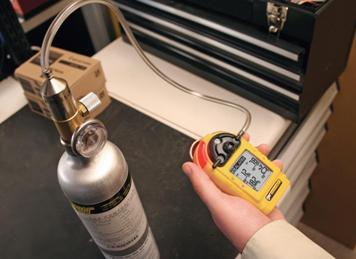
There are many reasons why a portable gas detector may not react to gas, some of which are not visibly evident to the user. When an instrument is turned on, you can see that the battery and display are working properly, but what about the internal electronics which play a critical role in protection? Do the sensors and alarms all work? How do you know?
How does it work?
The aim of the bump test is to make sure a gas monitor is working at its optimum by briefly exposing the unit to a known concentration of the target gas. The reading is compared to the actual quantity of gas present, as stated on the test gas cylinder, and if the detector goes into alarm within an acceptable range of the actual concentration, usually within 10%, then it is working safely. If the bump test results are not within the acceptable range, or it takes more than 30-40 seconds to alarm, the gas detector must not be used until a full calibration has been conducted.
So why are people still not bump testing regularly?
The list of reasons is always the same:
- It takes too long
- It’s too hard and takes training
- There’s no law saying we have to
Did you know, the average time to bump test is 20-30 seconds? Little to no training is required, although this does not remove the need for training on why it is necessary! The laws are not clear, but they are written in such a manner to make bump/function testing a requirement. After all, if something does go wrong, what would justify NOT bump testing to the authorities?
Please remember, however frequently you bump test, this does not remove the need to have gas detectors inspected, calibrated and serviced periodically by a competent individual.
Please visit our YouTube channel for videos about bump testing.
If you would like to discuss the equipment that you will require to start your own
bump testing process, please email us at sales@pointsafety.com